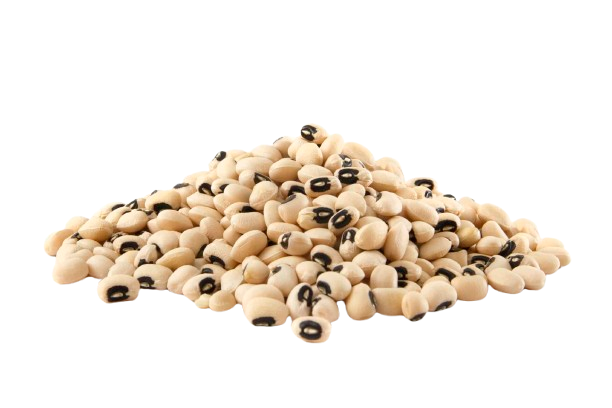
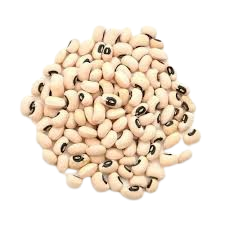
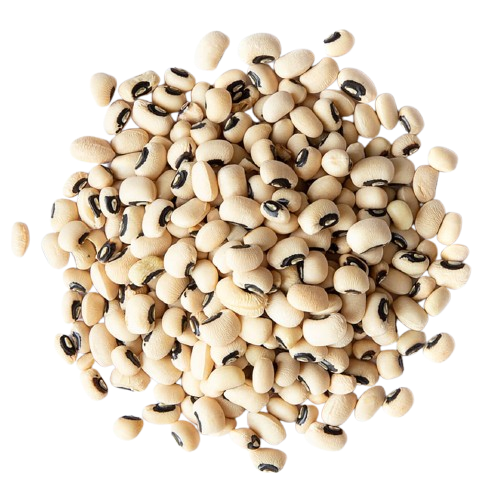
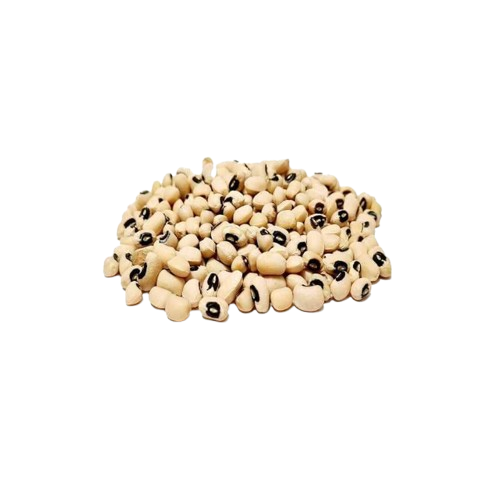
Black Eyed Peas Black Eyed Peas Classification Black Eyed Peas, also known as Lobia or Chawli, are high-protein legumes widely used in Asian, African, and American cuisines. They are rich in fiber, iron, and essential vitamins, making them a great dietary choice. Black Eyed Peas Varieties with Origins 1. Regular Black Eyed Peas – Origin: India, Africa, USA ✔ Size: Medium-sized (5-8mm), kidney-shaped with a black “eye”✔ Appearance: Creamy white with a characteristic black spot✔ Uses: Used in stews, curries, and salads✔ Benefits: High in fiber, aids digestion, and controls cholesterol 2. Small Black Eyed Peas – Origin: India, Nigeria, Brazil ✔ Size: Smaller (4-6mm) with a denser texture✔ Appearance: Off-white with a more defined black eye✔ Uses: Used in traditional dishes like Indian dal, African soups, and bean-based curries✔ Benefits: Rich in iron, supports heart health, and helps regulate blood sugar 3. Large Black Eyed Peas – Origin: USA, Argentina, China ✔ Size: Bigger in size (7-10mm), premium export grade✔ Appearance: Creamy white with a larger black eye✔ Uses: Used in canned beans, commercial food production, and gourmet recipes✔ Benefits: Protein-rich, boosts energy, and supports weight loss 4. Organic Black Eyed Peas – Origin: India, Turkey, Ethiopia ✔ Processing: Grown naturally without pesticides or chemicals✔ Appearance: Slightly darker shade due to natural farming methods✔ Uses: Ideal for organic meal plans, health-conscious diets, and vegan recipes✔ Benefits: Non-GMO, improves gut health, and strengthens immunity