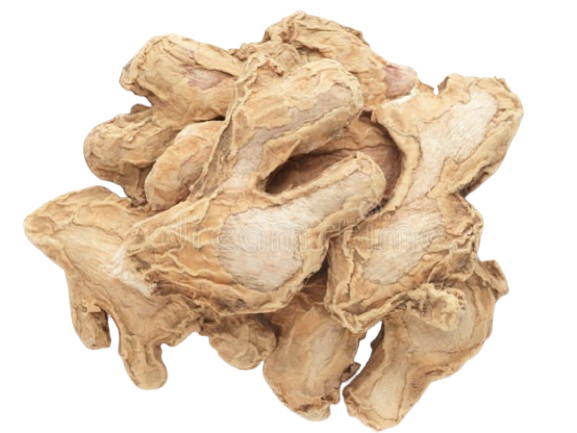
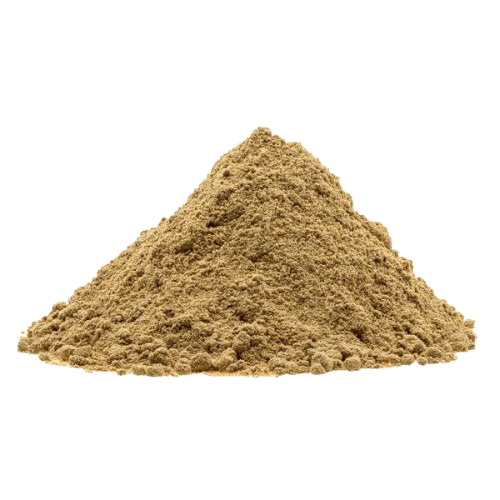
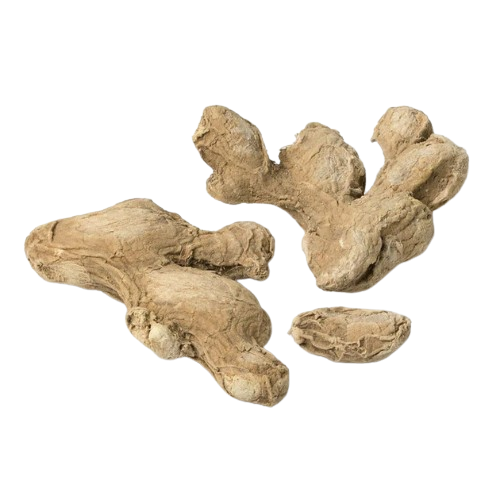
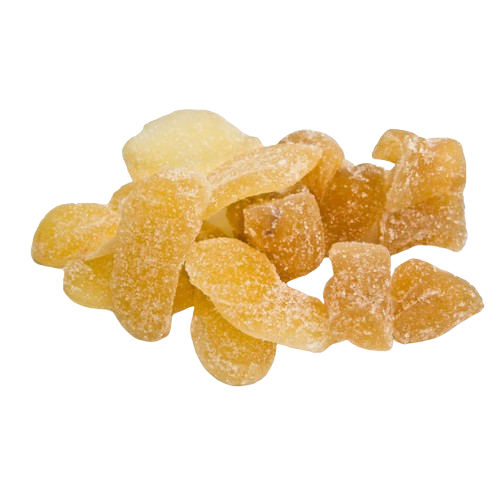
Dry Jinger Dry Jinger Classification Dry Ginger, also known as “Sonth” in Hindi, is widely used for its medicinal, culinary, and aromatic properties. It is obtained by drying fresh ginger rhizomes and is a key ingredient in herbal remedies, teas, and spice blends. Dry Jinger Varieties with Origins 1. Whole Dried Ginger – Origin: India, China, Nigeria ✔ Size: 4-7 cm, fibrous with a rough outer skin✔ Processing: Sun-dried to retain maximum natural oils and aroma✔ Uses: Used in herbal medicine, spice blends, and culinary preparations✔ Health Benefits: Supports digestion, relieves nausea, and boosts immunity 2. Dry Ginger Powder – Origin: India, Sri Lanka, Indonesia ✔ Processing: Finely ground for easy mixing in teas and food✔ Texture: Light brown, smooth, and aromatic powder✔ Uses: Used in herbal teas, spice mixes, and Ayurvedic formulations✔ Health Benefits: Reduces inflammation, relieves cold symptoms, and aids digestion 3. Organic Dry Ginger – Origin: India (Kerala, Assam), Vietnam ✔ Cultivation: Grown without synthetic pesticides and chemicals✔ Appearance: Light brown, fibrous rhizomes with a strong aroma✔ Uses: Used in herbal tonics, organic food products, and natural home remedies✔ Health Benefits: Supports metabolism, boosts circulation, and relieves joint pain 4. Ginger Slices – Origin: India, China, Thailand ✔ Processing: Sliced and sun-dried for easy infusion and cooking✔ Texture: Thin, golden-brown slices with a crisp texture✔ Uses: Used in soups, herbal teas, and traditional medicine✔ Health Benefits: Aids digestion, helps with motion sickness, and improves gut health