Egyptian Soap root

Egyptian Soap root Classification

Egyptian Soap Root, also known as Gypsophila, is a natural foaming agent commonly used in herbal medicine, natural detergents, skincare, and traditional soaps. It is valued for its saponin-rich composition, gentle cleansing properties, and medicinal benefits.

Egyptian Soap root Varieties with Origins

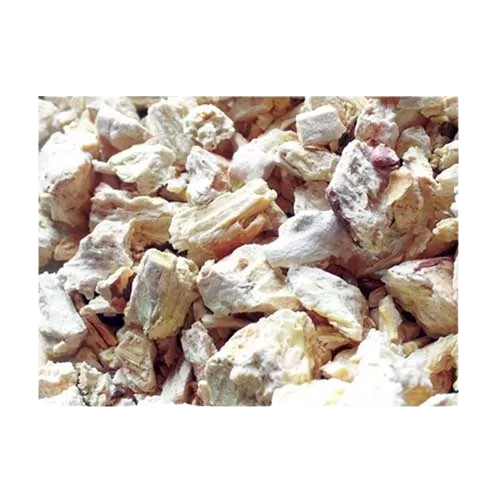
1. Whole Egyptian Soap Root – Origin: Egypt, Turkey, Iran

Appearance: Light brown, fibrous root with a rough texture
Processing: Naturally dried to retain saponin content
Uses: Used in herbal remedies, soap-making, and natural cleansers
Benefits: Acts as a natural surfactant, helps treat skin conditions, and soothes inflammation

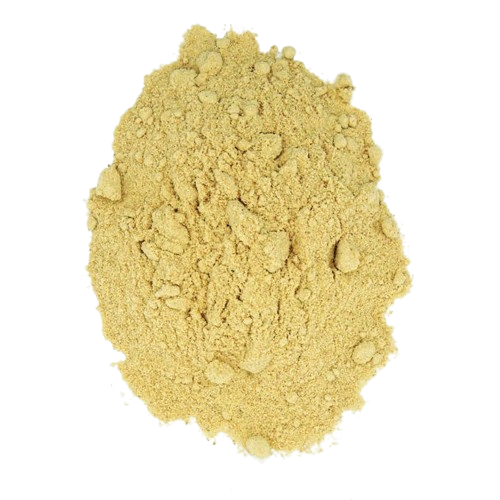
2. Egyptian Soap Root Powder – Origin: Egypt, Syria, Lebanon

Processing: Finely ground from dried roots for easy application
Texture & Color: Beige to light brown fine powder
Uses: Added to herbal cosmetics, shampoos, and organic detergents
Benefits: Gently cleanses without stripping natural oils, promotes scalp health, and supports skin hydration

3. Saponin-Rich Soap Root Extract – Origin: India, Morocco, Egypt

Processing: Liquid extraction to concentrate foaming properties
Appearance & Texture: Clear to light amber liquid with a mild earthy scent
Uses: Used in liquid soaps, natural foaming agents, and herbal skincare products
Benefits: Anti-bacterial, anti-fungal, and effective in removing dirt and excess oils

4. Dried Egyptian Soap Root Chips – Origin: Afghanistan, Egypt, Turkey

Processing: Sliced into thin chips and sun-dried for preservation
Texture & Color: Light brown, slightly fibrous, with a mild aroma
Uses: Infused in water to create a natural foaming solution
Benefits: Soothes sensitive skin, helps with eczema, and acts as a gentle cleanser