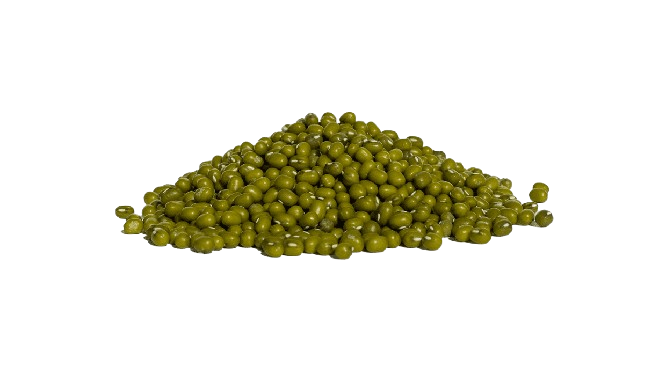
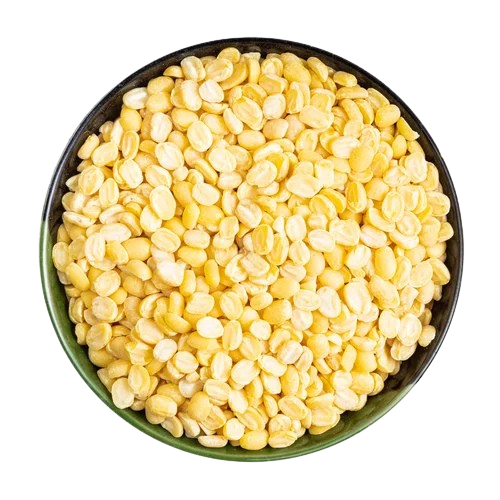
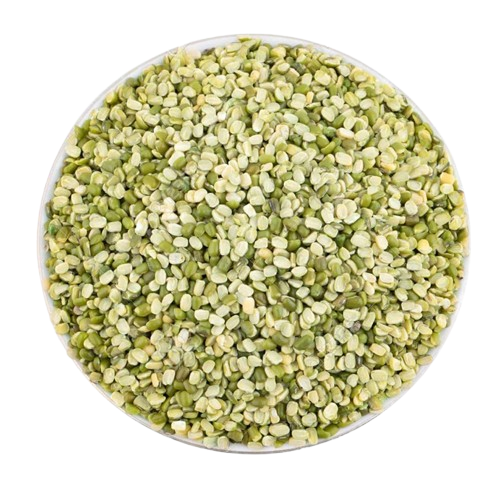
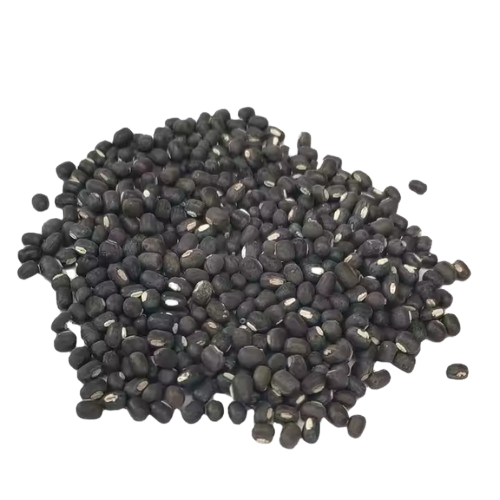
Mung Beans Mung Beans Classification Mung Beans, commonly known as Moong Dal, are nutrient-rich legumes widely consumed across Asia, Africa, and the Middle East. They are an excellent source of plant-based protein, fiber, and antioxidants, making them a staple in healthy diets. Mung Beans Varieties with Origins 1. Whole Green Mung Beans – Origin: India, Myanmar, China ✔ Size: Medium (3-5mm) with a round shape✔ Appearance: Green-skinned with a creamy inner texture✔ Uses: Used in soups, sprouts, and traditional dal recipes✔ Benefits: Supports digestion, weight loss, and heart health 2. Split Yellow Moong Dal – Origin: India, Pakistan, Nepal ✔ Processing: De-husked and split for quick cooking✔ Appearance: Bright yellow, smooth texture✔ Uses: Used in khichdi, dal, and baby food✔ Benefits: Easily digestible, high in protein, and ideal for a light diet 3. Chilka Moong Dal (Split with Green Skin) – Origin: India, Bangladesh, Vietnam ✔ Size: Medium (3-5mm) with a slightly flattened shape✔ Appearance: Green outer skin with yellow inside✔ Uses: Used in traditional lentil dishes and stir-fries✔ Benefits: High fiber content, regulates blood sugar, and supports gut health 4. Black Mung Beans – Origin: China, Indonesia, Thailand ✔ Size: Small (2-4mm), rare premium variety✔ Appearance: Dark black outer skin with a light-colored interior✔ Uses: Used in herbal soups, traditional Chinese medicine, and gourmet recipes✔ Benefits: High in antioxidants, supports kidney health, and strengthens bones